
Blooming Spirit
A Violets in Bloom publication · Issue
07
Warming Herbs and Teas for Cold Season
Byline
By Ava Adames
Issue
November / December 2026 · Issue

Warming Herbs and Teas for Cold Season
BLOOMING SPIRIT MAGAZINE · FEATURE 07
November/December 2026 Issue
By Ava Adames
Greetings everyone, Violets in Bloom is proud to hold space both physical and energetic, that supports the messy, beautiful process of 'blooming.'
As days grow shorter, a warm mug can offer a small, steady pause. The scent of spice, the warmth of a cup between your hands, the quiet of a simmer pot: these are simple sensory ways to invite comfort into the season. They are not cures, and they do not need to be. Sometimes a ritual is simply a gentle place to land.
For many women navigating midlife transitions, holiday responsibilities, or the changing rhythms of the body, small moments of warmth can help make room for a breath and a check-in: What does my body need right now?
A cup can be comfort, a ritual can be a pause, and neither has to promise more than that.
At a Glance
- Explore: Ginger, cinnamon, turmeric, elderberry, and juniper berry.
- Remember: Folk and culinary traditions are not the same as clinical evidence.
- Try: A ginger-and-lemon tea, or a stovetop simmer pot for fragrance.
- Care for yourself: Check with a healthcare provider before adding herbs, especially if you take medications or have a health condition.
On this page
- Five warming herbs and roots
- A simple ginger tea
- Safety, shop notes, and sources
Page 4 · Blooming Spirit Magazine Editorial & AI Disclosure
This feature offers general educational information, not individual medical advice. Traditional uses are identified as tradition; research findings are linked to their sources. Please consult a qualified healthcare professional about your personal care.
Five Warming Herbs and Roots
01 · Ginger: a bright, peppery warmth
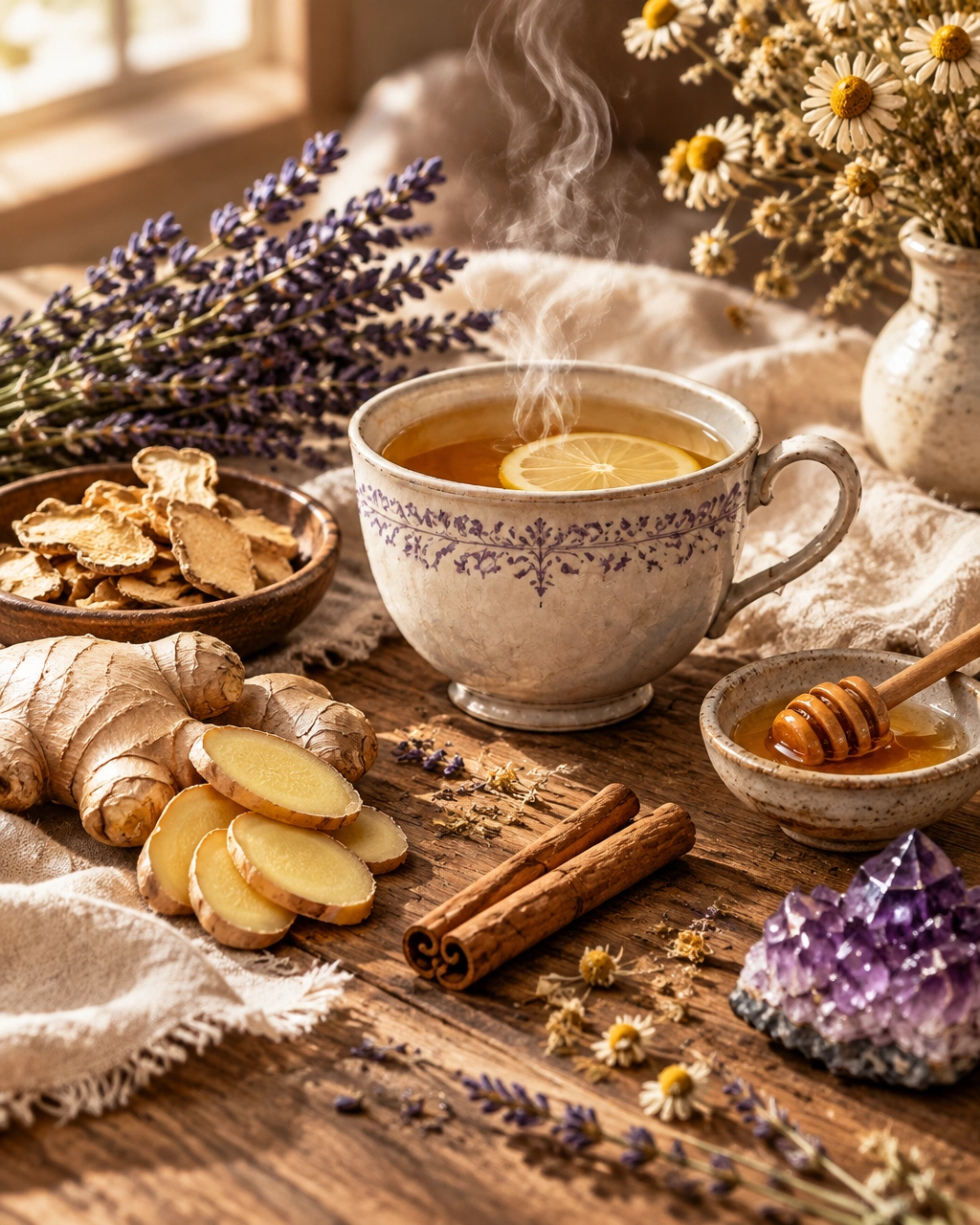
Ginger’s knobbly rhizome has a long history in food and traditional practices. Fresh slices steeped in hot water release a bright, peppery aroma; lemon and honey bring a familiar, soothing finish. Ginger also works in soups, broths, stir-fries, and baked treats.
What research says: The National Center for Complementary and Integrative Health (NCCIH) notes that ginger may help with some kinds of nausea, though evidence varies by cause and circumstance. That is different from evidence that it prevents or treats a cold. Ginger can cause heartburn or stomach discomfort for some people, and it may interact with medicines.
A simple cup: Add a few slices of fresh ginger to hot water and steep to taste. Add lemon or honey if you like. Let the steam invite you to slow down before sipping.
02 · Cinnamon: familiar, fragrant, and best in moderation
Cinnamon’s sweet, woody scent is part of many cold-season kitchens. A stick can flavor tea, oatmeal, or a stovetop pot with orange peel and cloves. In folk traditions, warming spices often appear in winter drinks and home rituals; let that history be meaningful without treating it as proof of a health effect.
There are two common types: Ceylon and cassia. Cassia, which is widely sold, can contain more coumarin, a compound that may be a concern with frequent high intake, particularly for people with liver conditions. For everyday food, a modest amount is a sensible place to begin. Avoid taking cinnamon essential oil or concentrated products by mouth.
The NCCIH cinnamon overview explains that research does not establish cinnamon as a treatment for colds. A little in a cup or simmer pot may still offer fragrance, flavor, and a comforting seasonal cue.
03 · Turmeric: golden color, ongoing questions
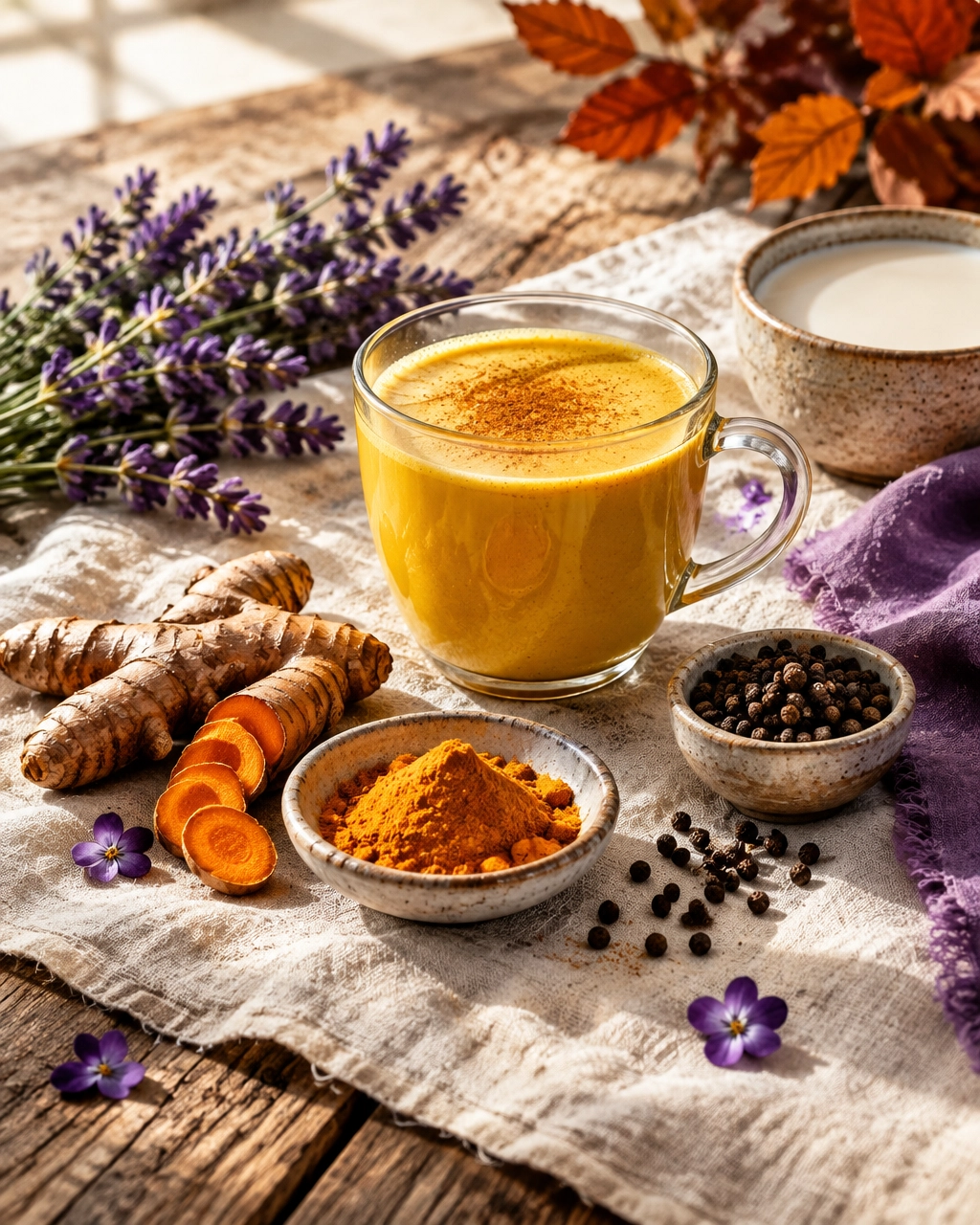
Turmeric is the vivid golden root used in many culinary and traditional wellness practices. Its best-known compound, curcumin, is being studied for a range of effects, but research is ongoing, and a turmeric drink should not be presented as a treatment for illness.
In the kitchen, turmeric can bring color to soups, rice, roasted vegetables, or a warm milk-based drink. A pinch of black pepper and a little fat are commonly paired with turmeric in recipes to support curcumin absorption. Keep this in the realm of food: supplements and high-absorption formulas are different from a pinch in a meal.
The NCCIH turmeric page notes that evidence is not definitive for most uses. Some concentrated products have been associated with side effects, including rare liver injury. If you are considering supplements, ask a healthcare professional first.
04 · Elderberry: deep purple, carefully prepared
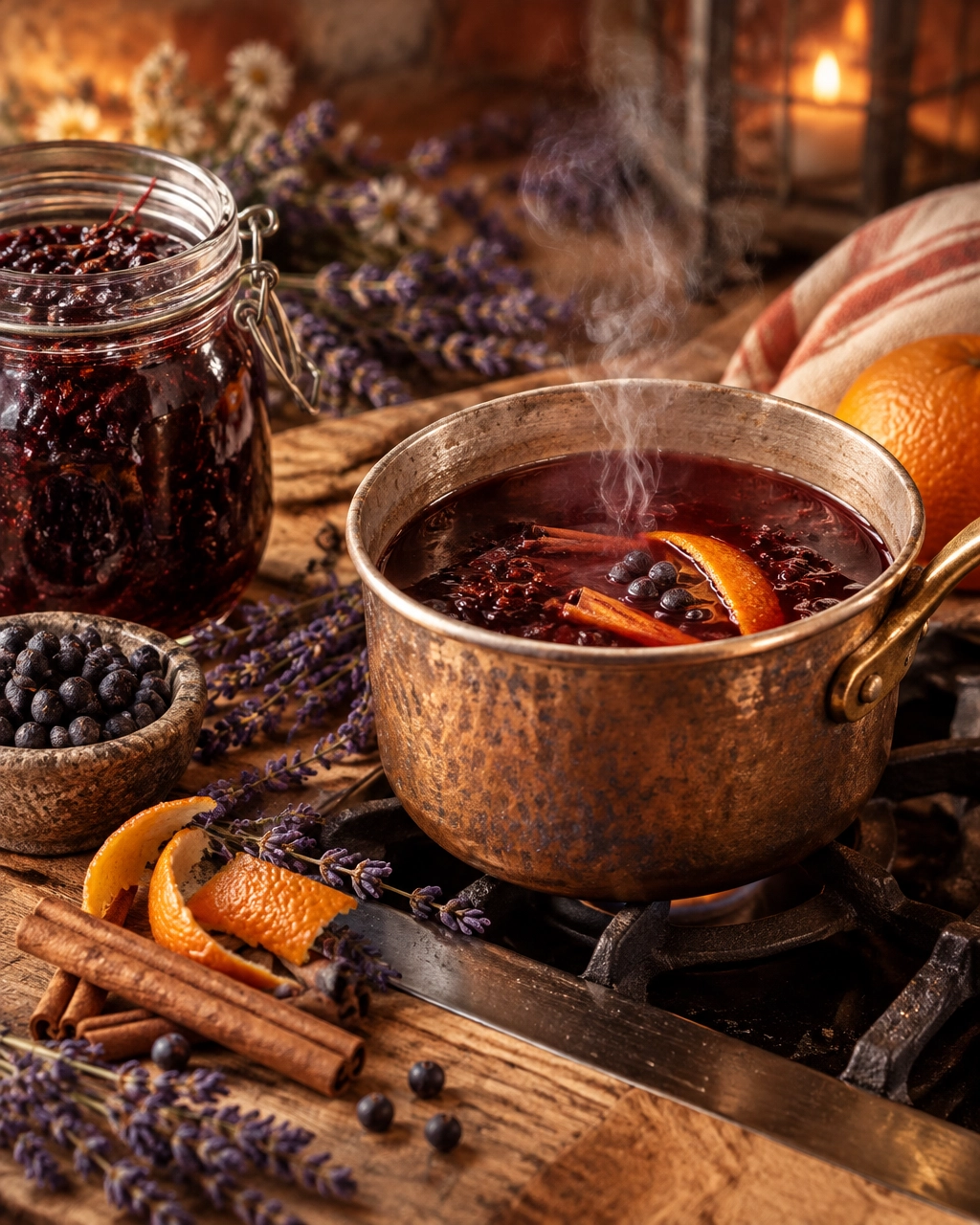
Elderberry appears in many European folk traditions as a winter-season fruit. Its dark color and tart flavor lend themselves to cooked syrups, cordials, and teas. Tradition can offer a meaningful connection to place and season, while still leaving room for careful evidence and safety.
The NCCIH elderberry summary describes research as limited and mixed; there is not enough high-quality evidence to say that elderberry prevents or treats colds or flu. Raw or unripe elderberries, as well as the plant’s leaves and stems, can be toxic. Choose reputable products made from cooked or processed berries, and follow their directions. Do not prepare tea from raw berries.
05 · Juniper berry: an evergreen note
Juniper berries are small, dark, and aromatic, with a piney flavor. In some traditions, juniper has been used in teas and household rituals; its branches and berries may also be associated with seasonal cleansing. These uses belong to cultural and folk practice, not established cold-care evidence.
In cooking, a few berries can season a sauce or stew. For a cold-season ritual, you might add them to a simmer pot for fragrance rather than drinking a concentrated infusion. Keep steam at a comfortable distance; hot water and steam can burn, and essential oils should not be ingested.
Safety matters: Avoid concentrated juniper preparations. Juniper is not appropriate for pregnancy, and people with kidney conditions should avoid medicinal use unless their healthcare provider advises otherwise. The European Medicines Agency’s juniper assessment notes that clinical safety information is limited.
From Our Workshop: A Warming Blend to Make at Home
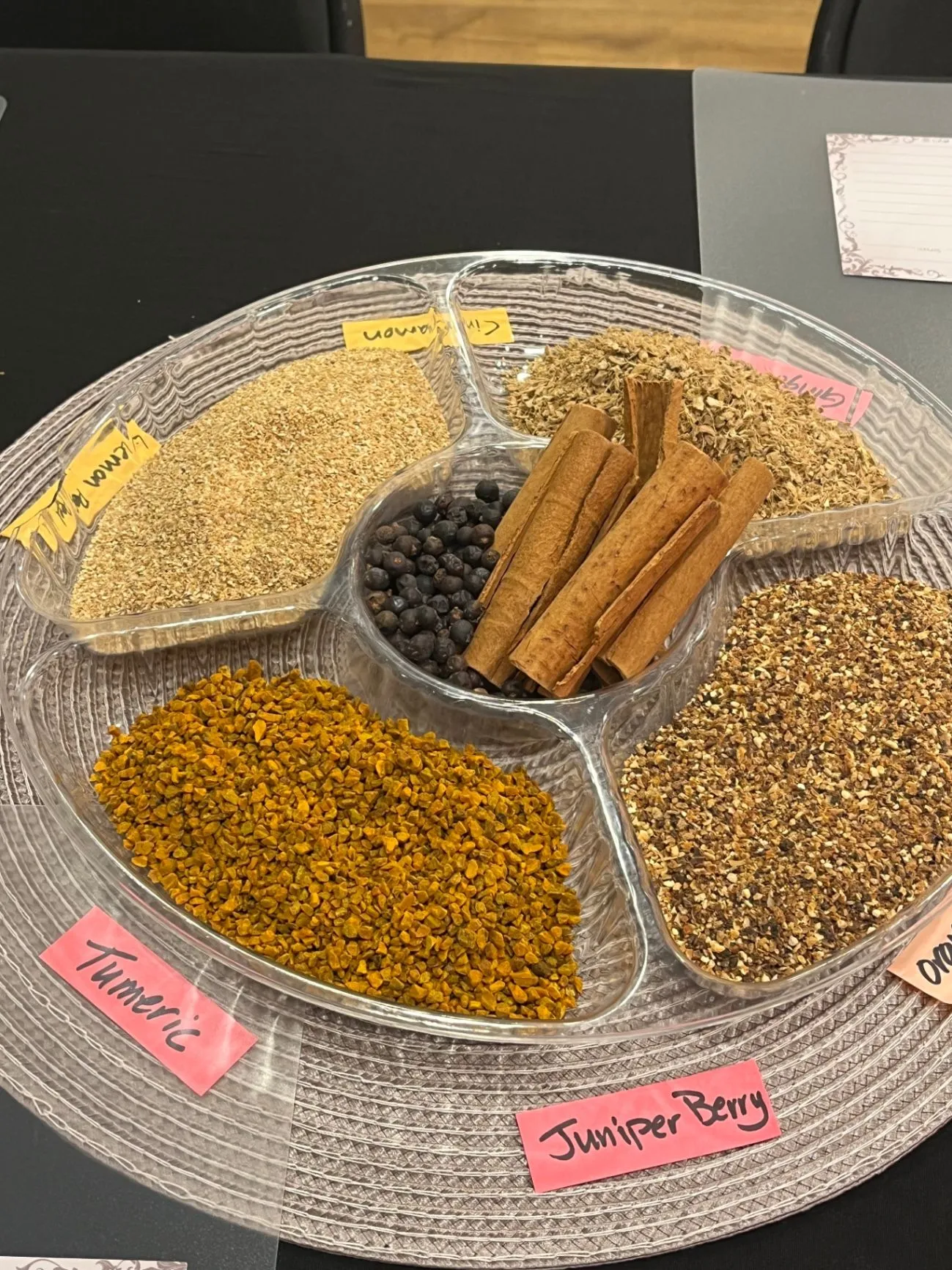
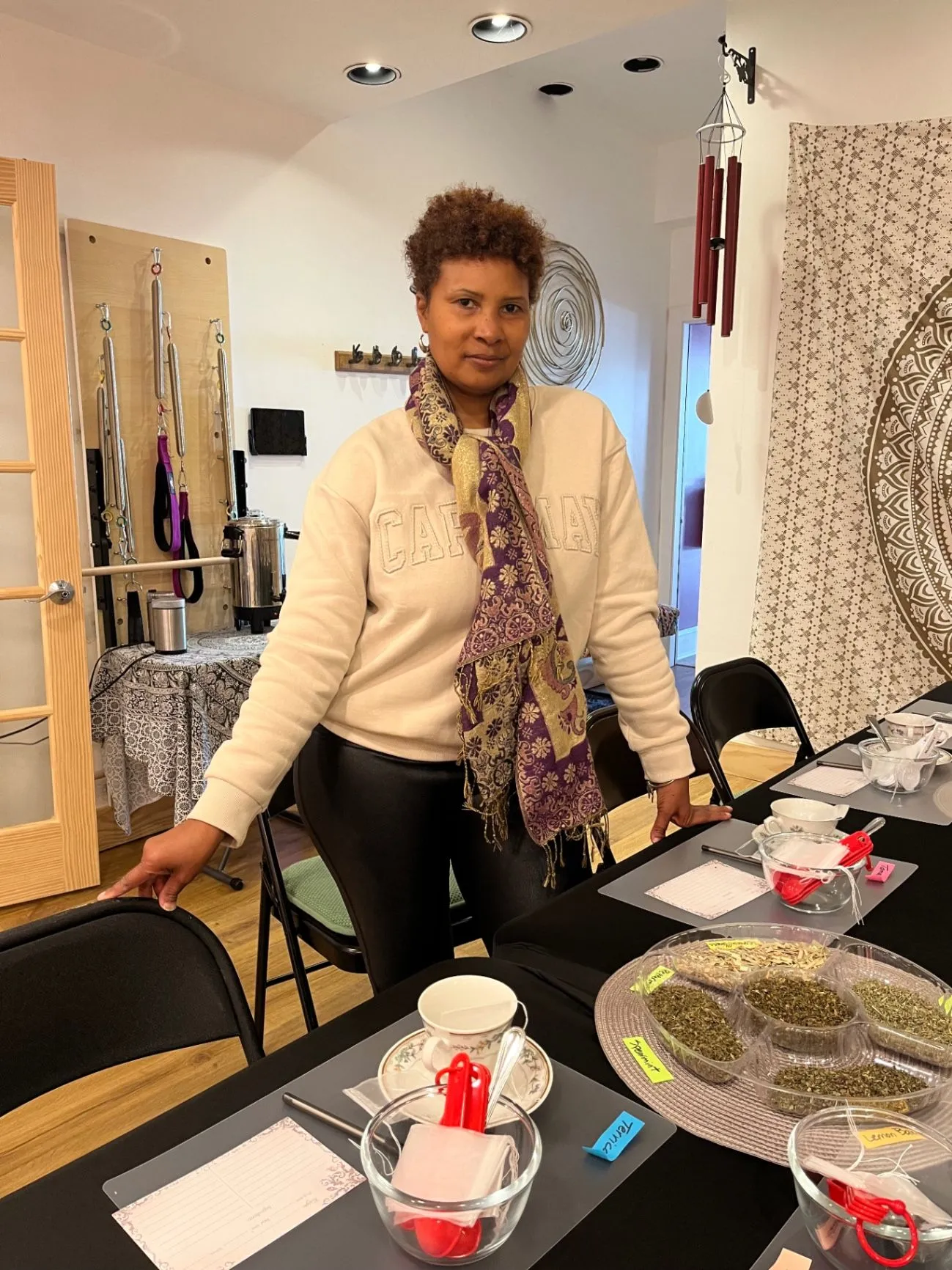
At a recent Violets in Bloom tea workshop, we blended a cup that brings several of these herbs together, and it has already become a favorite around here. It is warm, fragrant, and gently spiced, with the evergreen note of juniper softened by honeybush and orange.
Warming Juniper & Honeybush Blend — for 1 cup (8 oz) of water:
- 2 juniper berries, lightly crushed
- ¾ teaspoon honeybush
- ¼ teaspoon dried orange peel
- ⅛ teaspoon dried ginger root
- A small piece of cinnamon stick, about ¼ inch
Pour boiling water over the ingredients. Cover, steep 10–12 minutes, then strain.
A note on juniper: this recipe uses a small, food-level amount, in keeping with the safety notes above. If you are pregnant, nursing, managing a kidney condition, or taking medications, please check with your healthcare provider before making juniper part of your routine.

A note on care, and a local invitation
Herbs and teas are a wellness practice, not a medical treatment. They work alongside your care, never in place of it. Check with your healthcare provider before adding herbs, especially if you are pregnant, nursing, taking medications, or managing a health condition.
At Violets in Bloom, you can also explore handcrafted herbal teas and dried herbs. Our Unbothered Herbal Tea includes raspberry leaf and is offered for womb health; herbs can affect people differently, so ask your healthcare provider whether it is appropriate for you.
We would love to welcome you to the shop at 7906 High School Rd, Elkins Park, PA: Wednesday–Saturday, 11 AM–6 PM; Sunday, 12–4 PM. You can also visit myvioletsinbloom.com to explore our offerings.
May your seasonal rituals be warm, informed, and your own.
By Ava Adames.
About the Author
Ava Adames started writing in the fourth grade. Daily stories in her diary. Today she writes blogs, haikus, and short stories with a sprinkling of magic. She is the founder of Violets in Bloom.
Pull quote
A cup can be comfort, a ritual can be a pause, and neither has to promise more than that.