
Blooming Spirit
A Violets in Bloom publication · Issue
06
Why Everyone Is Talking About Sound Baths (And How to Try One at Home Tonight)
Byline
By Ava Adames
Issue
November / December 2026 · Issue
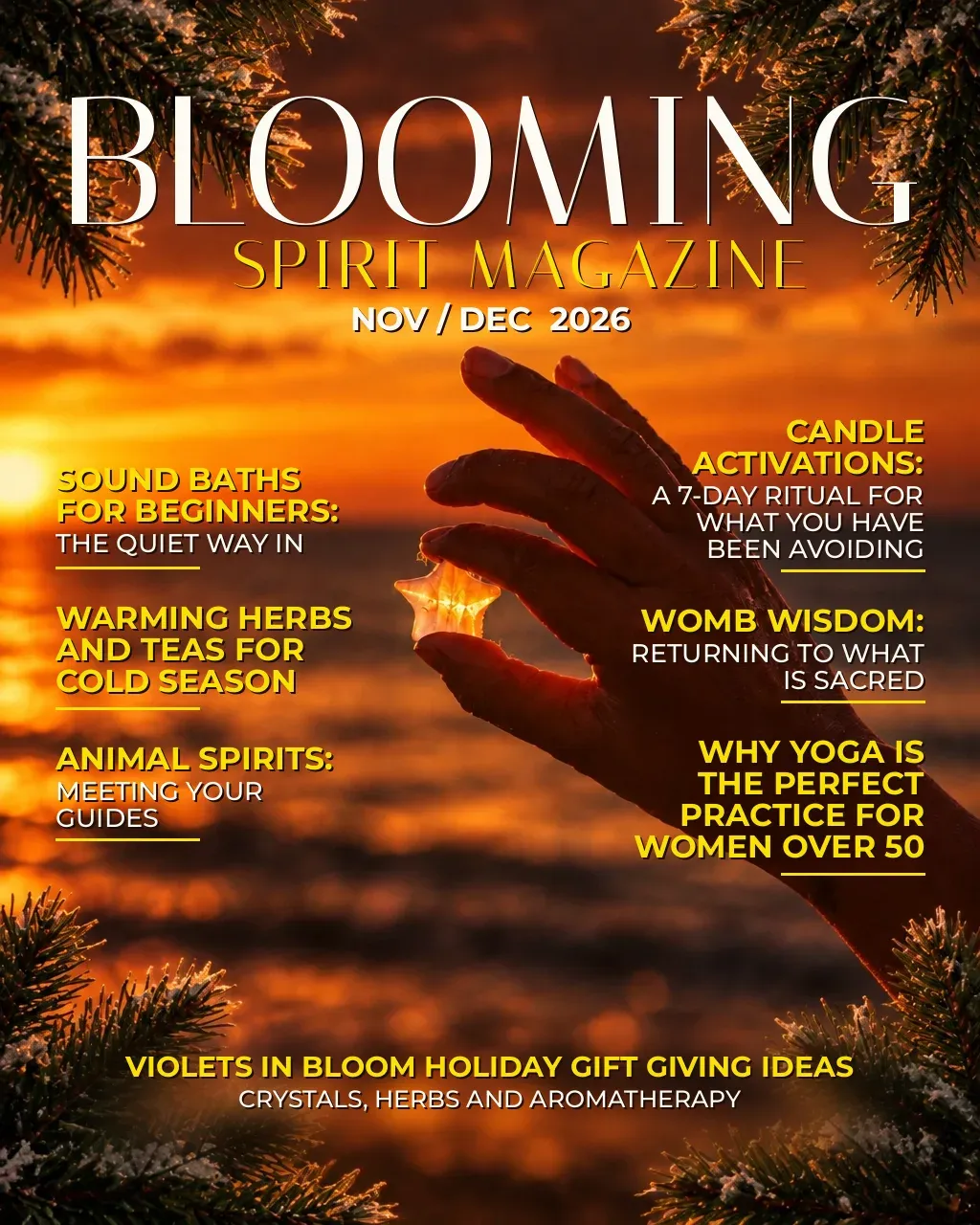
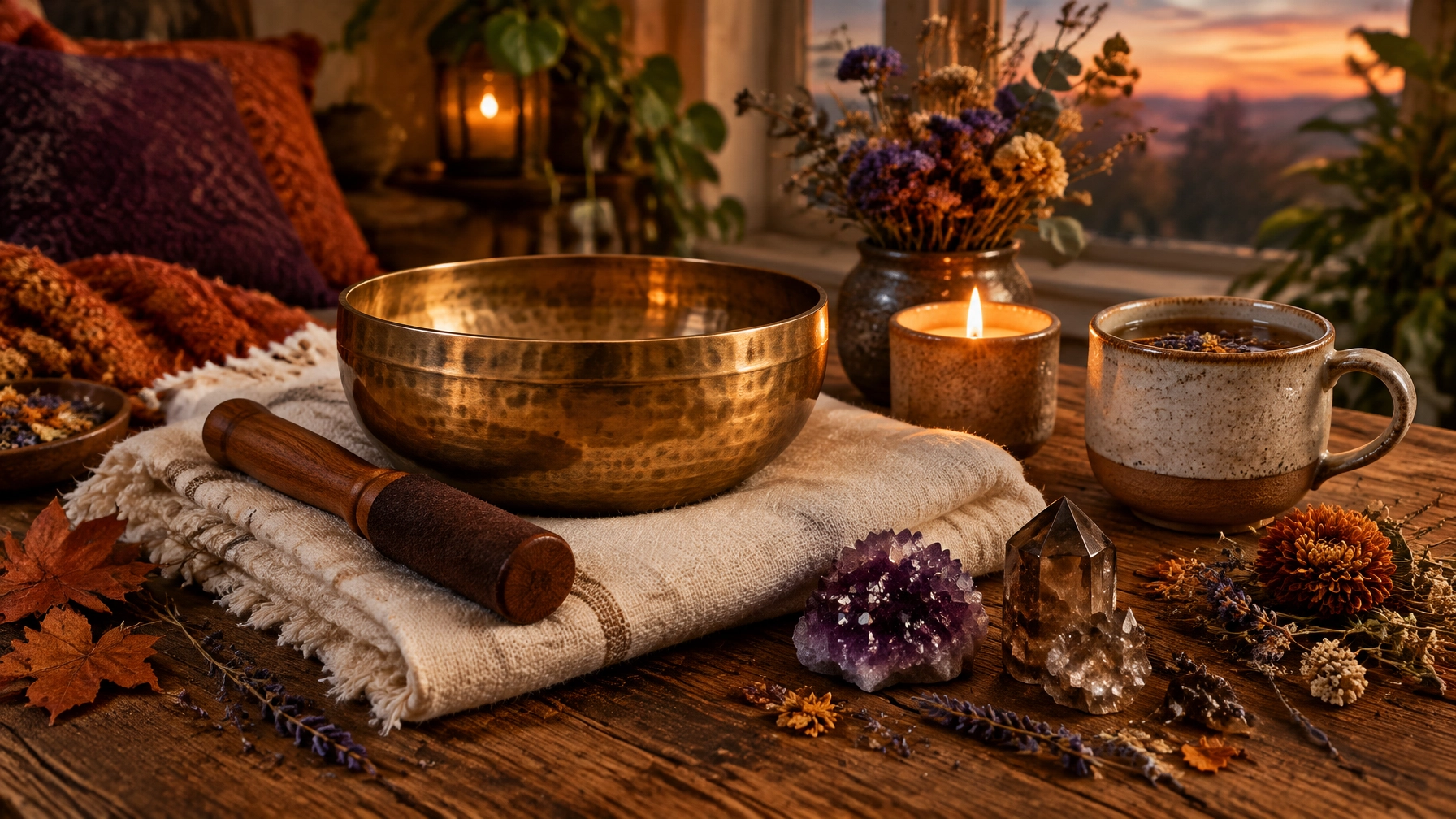
Why Everyone Is Talking About Sound Baths (And How to Try One at Home Tonight)
BLOOMING SPIRIT MAGAZINE · FEATURE 06
By Ava Adames
Greetings everyone, Violets in Bloom is proud to hold space both physical and energetic, that supports the messy, beautiful process of 'blooming.'
“You don’t have to make anything happen. You can simply listen, notice, and let the next breath arrive.”
At a Glance
- A sound bath is a guided relaxation or meditation experience using instruments such as singing bowls, chimes, or gongs.
- It may offer a calming pause, but experiences vary. It is a wellness practice, not a medical treatment.
- At home, try a short session at a comfortable volume, with permission to pause or stop.
- For tonight’s ritual: ONE CANDLE. ONE PAGE. ONE STONE.
- Crystals can serve as meaningful sensory or intention-setting companions; they are not a substitute for health care.
In This Feature
- What a sound bath is, and isn't
- What the research can and can't tell us
- How to try a gentle sound ritual at home
- Listening with care, and finding support in community
BLOOMING SPIRIT MAGAZINE EDITORIAL & AI DISCLOSURE: This feature was drafted with AI editorial support and reviewed for publication by Ava Adames. It is for general informational and wellness purposes, not medical or mental-health advice.
PAGE 1 · THE OPENING
A pause for the senses
Sound baths are appearing in wellness studios, community gatherings, and conversations about rest. The name may sound elaborate, but the practice can be simple: you settle into a comfortable position and listen as a facilitator plays resonant instruments. Some people close their eyes; others prefer to look around the room or keep their eyes softly open.
The sound becomes an anchor for attention. A note rises, changes, and fades. You may notice your breathing, the blanket beneath your hands, or the thoughts moving through your mind. There’s no correct response to the experience, and no need to achieve a particular state.
For many women moving through a full season of life: caregiving, changing roles, shifting energy, or asking what comes next. A quiet hour can feel like room to hear yourself again. The invitation is not to force calm, but to make a little space for noticing.
What happens in a sound bath?
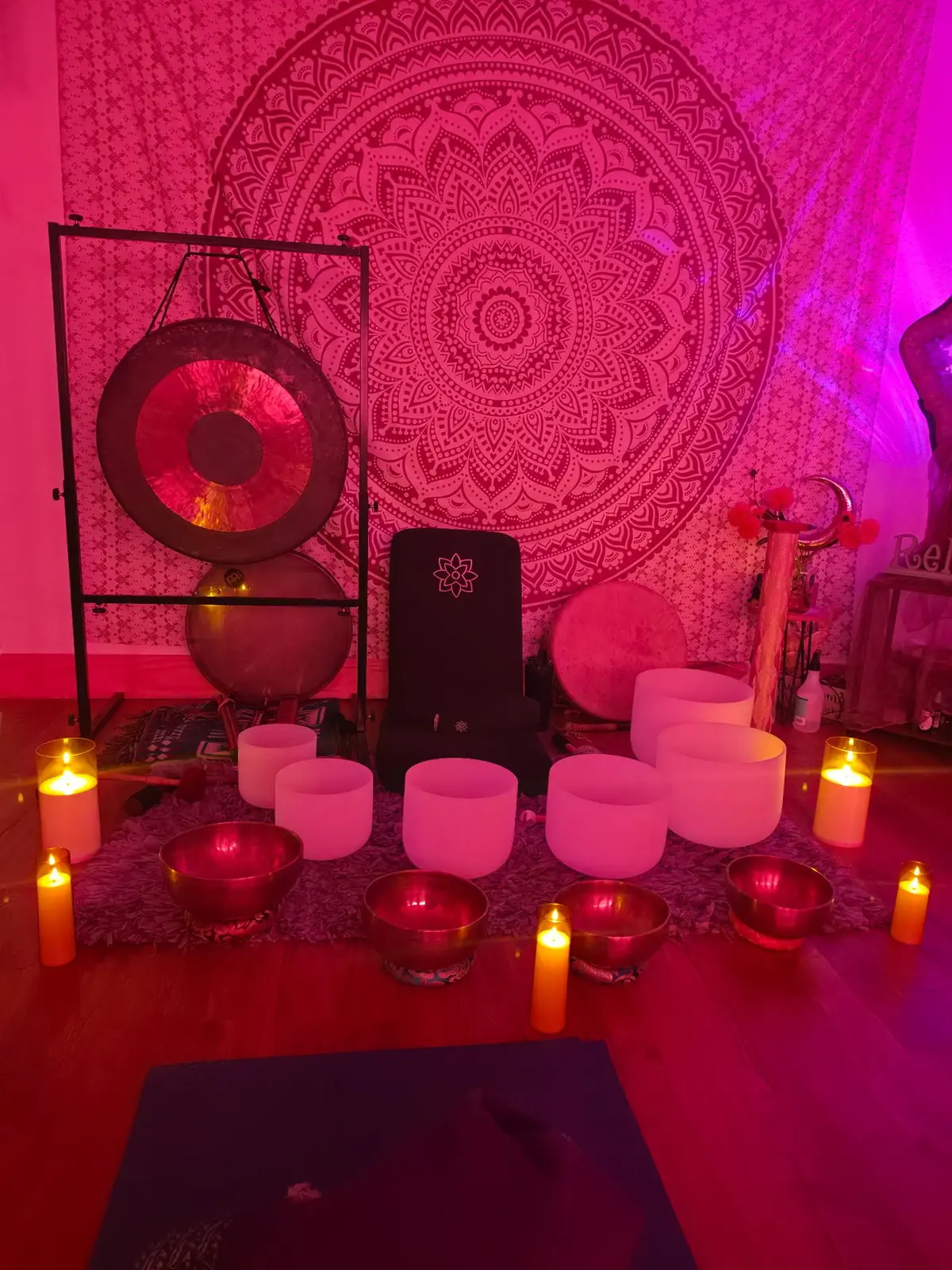
A facilitator may play singing bowls, chimes, gongs, drums, or use their voice. The sounds can be layered, spaced apart, or allowed to ring out in silence. Some people describe hearing the sound as immersive or feeling subtle vibrations. Others simply listen and rest.
Sound baths are often described in energetic language: a resonant tone may feel like an invitation to soften or recalibrate. That can be a meaningful personal experience. It is different from a measurable medical effect, though, and it doesn’t mean sound is treating an illness or resolving trauma.
A sound bath is a complementary wellness practice, not a cure, diagnosis, or replacement for medical or mental-health care.
PAGE 2 · WHAT WE KNOW
A grounded look at the research
Research on sound baths and singing-bowl practices is still developing. Small studies have reported short-term changes in participants’ self-reported tension or anxiety, and some have measured changes in physiological signals during relaxation. Those findings are interesting, but they do not show that sound baths treat a health condition, or that sound is the only reason people felt different.
A systematic review of singing-bowl research noted limitations in the available studies, including small samples and differences in how sessions were conducted. A later randomized trial examined a single session and found short-term relaxation responses. One session, however, cannot tell us whether benefits last or how the practice compares with other forms of quiet rest.
So it may be helpful to hold both truths: a sound bath can feel supportive for some people, and the evidence does not justify promising a particular outcome. Your own experience matters, but it isn’t a substitute for professional guidance when you need care.
Your nervous system sets the pace
Relaxation is not always immediate. A quiet room, unfamiliar sounds, or closing your eyes may feel soothing, or uncomfortable. You are allowed to stay seated, keep your eyes open, change position, take a break, or leave. You don’t have to explain your needs.
Before a session, consider asking what instruments will be played, how loud they may be, and whether you can sit farther away. If sound is a known trigger for migraines, tinnitus, sensory overwhelm, or distress, choose a quieter option or check with a clinician who knows your circumstances.
At Violets in Bloom, 1:1 Private Energy Sessions can be tailored and may include sound healing, breathwork, Reiki, and assisted stretching. You can also explore Small Group Sessions and Retreats, which may include sound baths and gentle relaxation for a gathering.
PAGE 3 · A RITUAL FOR TONIGHT
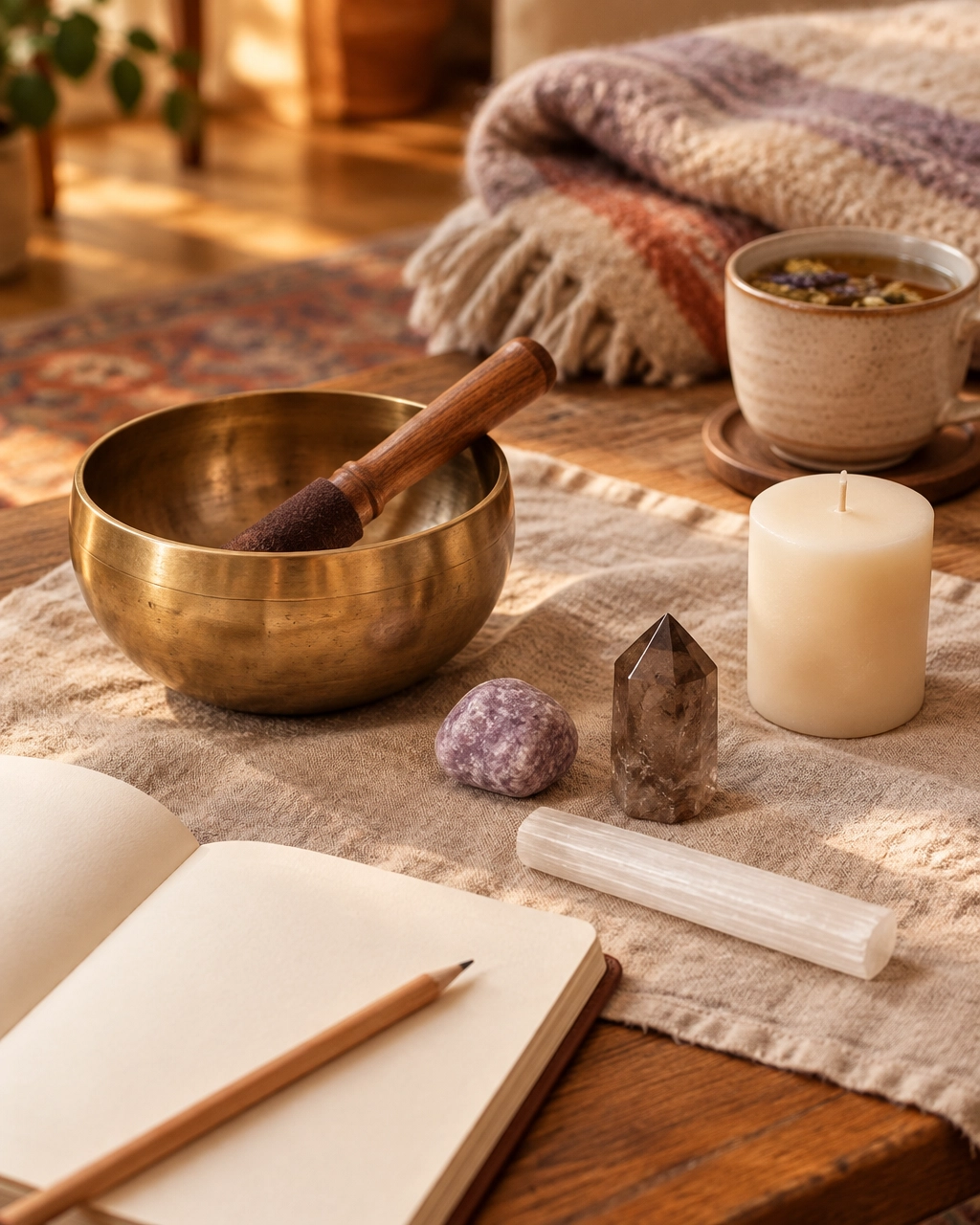
ONE CANDLE. ONE PAGE. ONE STONE.
You don’t need a set of instruments to begin. A recording at a gentle volume, a single bowl, or even the sounds already around you can become a listening practice. Keep it short: ten minutes is enough to try.
1. ONE CANDLE.
Choose a stable surface, away from fabric, drafts, and anything that could catch fire. Light a candle only if you can supervise it safely; otherwise, use a lamp or skip the flame. Let its warm glow mark the beginning of your pause.
2. ONE PAGE.
Set out a journal. Before you listen, write one sentence: What does my nervous system need right now? It may be quiet, movement, company, or something practical. There is no need to make the answer profound.
3. ONE STONE.
Choose a stone as a tactile reminder of your intention, not as a treatment.
- Lepidolite is a lithium-bearing mica. Its lilac layers and gentle heft may make it a comforting focus when your mind feels busy or racing. Its mineral composition is a geological fact; any calming effect from holding it is personal, not a medical claim.
- Smoky Quartz is a variety of quartz (silicon dioxide). In many spiritual traditions it is associated with grounding. Notice its weight in your palm and let that sensation bring attention back to the present.
- Selenite is a variety of gypsum, a relatively soft mineral. Keep it dry; water can damage its surface. If your ritual includes tea, keep the cup well away from the stone.
Listen without needing to get it right
Settle on a chair, cushion, or soft blanket. If you have a singing bowl, use it as directed and keep it at a comfortable distance. If you’re using recorded sound, choose a moderate volume and place your device away from your ears. You can also listen to rain, a fan, or the ordinary sounds of your home.
Take a moment to notice your feet, the support beneath your body, and the room around you. Let a few easy breaths come and go. Don’t hold your breath or try to make it deeper than feels comfortable.
As sound rises and fades, you might ask:
- What do I notice in my body?
- Is this volume comfortable?
- Would I like to continue, change position, or stop?
Afterward, write one more line about what you noticed. Maybe your shoulders softened. Maybe your mind stayed busy. Maybe you simply decided you’d rather stretch or call a friend. Each is useful information, not a grade.
If a sound feels unpleasant, too intense, or distressing, stop the audio and return to a familiar, comfortable environment. You can open your eyes, sip water, or contact someone you trust.
PAGE 4 · CLOSING NOTES
A little care goes a long way
Choose sound that feels comfortable rather than dramatic. Loud or sudden tones can be uncomfortable, especially for people with sound sensitivity. If you are pregnant, have a hearing or balance concern, or are unsure whether a particular practice is appropriate for you, ask a qualified health professional for individualized guidance. Let a facilitator know about access needs, and remember that you can pause or leave.
For ongoing physical or emotional concerns, seek appropriate medical or mental-health support. Sound practices may sit alongside care, but they should never take its place.
If you’d like to experience it in community
A guided session can offer structure, a shared quiet, and the reassurance of a practitioner’s presence. If you’re curious, we welcome you to explore the private and small-group offerings linked above.
Violets in Bloom is at 7906 High School Rd, Elkins Park, PA. Studio hours are Wednesday–Saturday, 11 AM–6 PM, and Sunday, 12–4 PM.
For now, perhaps tonight’s next step is simply to make tea, settle under a soft blanket, and listen for a few minutes. No promise, no performance, just a gentle chance to check in with yourself.
Byline & About the Author
By Ava Adames
About the Author: Ava Adames started writing in the fourth grade. Daily stories in her diary. Today she writes blogs, haikus, and short stories with a sprinkling of magic. She is the founder of Violets in Bloom.
Pull quote
The invitation is not to force calm, but to make a little space for noticing.